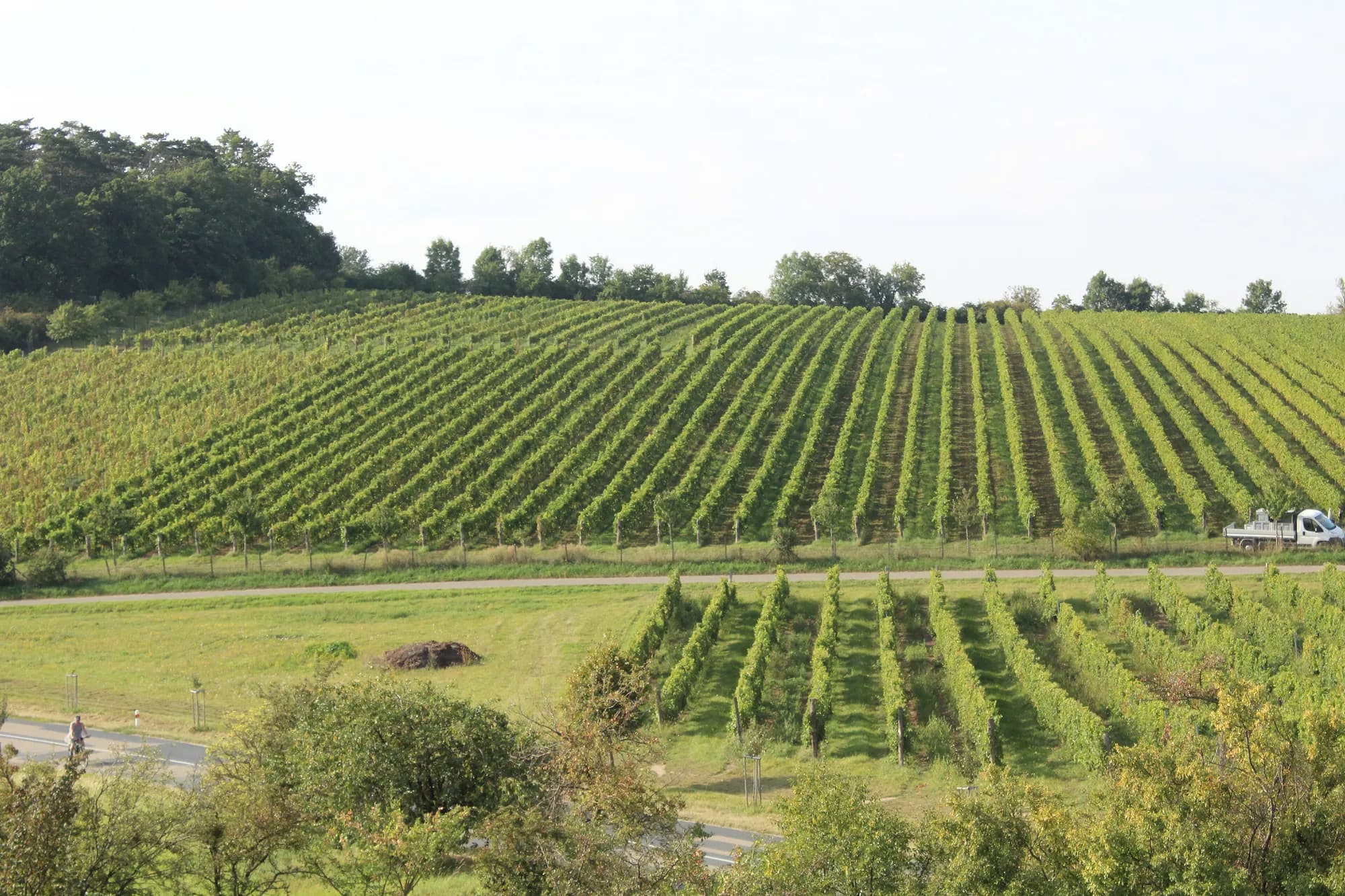
In the wine calendar, November is one of the happiest months. The harvest is in, cellars smell of fermenting must, and on 11 November, St Martin's Day, the first bottles of the new vintage are opened. In Czechia this is the day when glasses of young wine are raised at 11:11, goose is roasted and everyone hopes that "Martin will arrive on a white horse", meaning the first snow.
Who was St Martin
Martin of Tours was a Roman soldier in the 4th century. According to legend, on a freezing night at the gate of Amiens he cut his cloak in half with his sword and shared it with a beggar. He later became Bishop of Tours and is one of Europe's best-loved saints.
His feast day fell at the time when the farming year came to an end: the harvest was done, dues were paid, farmhands changed employers, and people had one last feast before the Advent fast. Goose was a must, according to one legend because the cackling of geese gave Martin away when he hid to avoid being made a bishop. And goose called for wine from this year's harvest.
What is St Martin's wine
In Czechia, Svatomartinské (St Martin's wine) is a protected brand for young wines from Moravia and Bohemia that may be opened for the first time on 11 November at 11:11. They are made from early-ripening grape varieties such as Müller Thurgau, Moravian Muscat or Blauer Portugieser, and come in white, rosé and red.
Young wine is different from wine that has aged for months or years. It is:
- fresh and fruity, with a vivid aroma of fresh grapes,
- lighter, with lower alcohol and lively acidity,
- meant to be enjoyed now, not cellared. It tastes best over the winter and spring.
Young wine across Europe
St Martin's wine has siblings all over Europe. In France, Beaujolais nouveau is released on the third Thursday of November, Italians drink vino novello, and Austria celebrates Martiniloben, St Martin's festivities held mainly in Burgenland. Austrians also call the young wine of the current vintage Heuriger, the same word they use for the taverns where winemakers serve it.
All these traditions share one thing: joy that the harvest turned out well, and the wish to taste it as soon as possible.
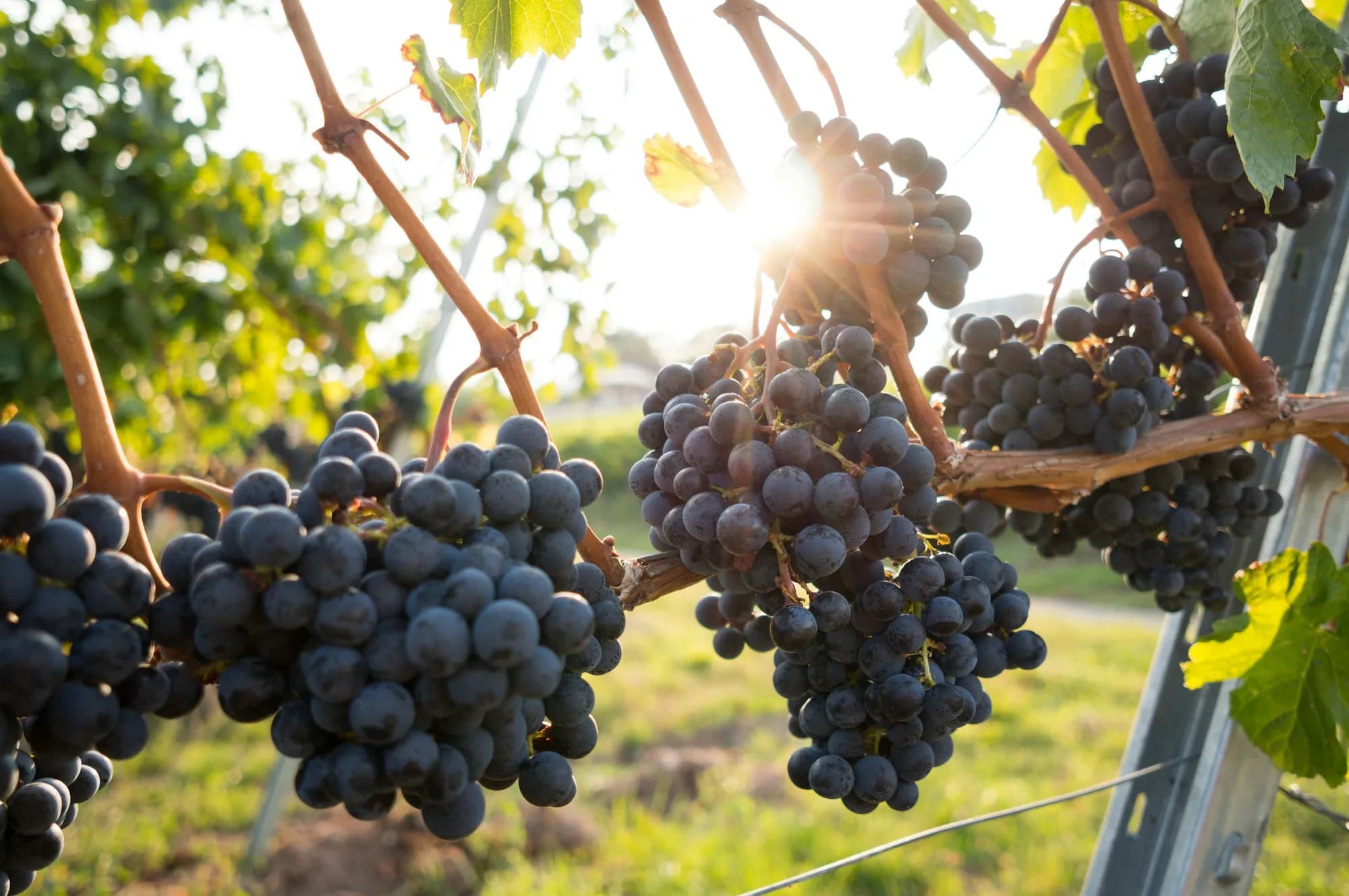
The new vintage at TURET: 2025 on our list
We do not carry St Martin's wine, but we do have the new vintage. From 2025 we pour two wines by the glass that have exactly the freshness we look forward to in young wine.
The first is a Moravian Muscat from Volařík in Mikulov, which the winemaker calls the first young wine of the season from his Refresh range. Moravian Muscat is also one of the grapes used for St Martin's wine.
The second is a Grüner Veltliner from the Pfaffl family in Austria's Weinviertel, the wine region that continues just across the border from South Moravia. Fresh, juicy and with the typical white pepper.
And to go with it?
We don't roast goose, but light, fresh wines are just as good with cold dishes. Pair the fresh Muscat with olives or smoked almonds, and the Veltliner with a panini or pickled Hermelín cheese. If you like light wines, try the Müller Thurgau from Filiberk in Kobylí, another grape on the St Martin's list, or the dry Blaufränkisch rosé.
Cheers, Martin
Whether Martin arrives on a white horse this year or just in the rain, a glass of young wine is a good reason to pause and celebrate what nature and winemakers achieved this year. We are closed on Mondays and look forward to seeing you Tuesday to Sunday from 3 pm. You can book a table online.
How to taste young wine properly is explained in the first lesson of our Wine School.