Tasting wine is not a skill reserved for sommeliers. Above all it is about attention: slowing down, looking, noticing aroma and flavour, and comparing. Professionals follow the same routine whether they are judging a competition or choosing a glass for dinner. These five steps take less than a minute, and after a few glasses they will come naturally.
1. Look
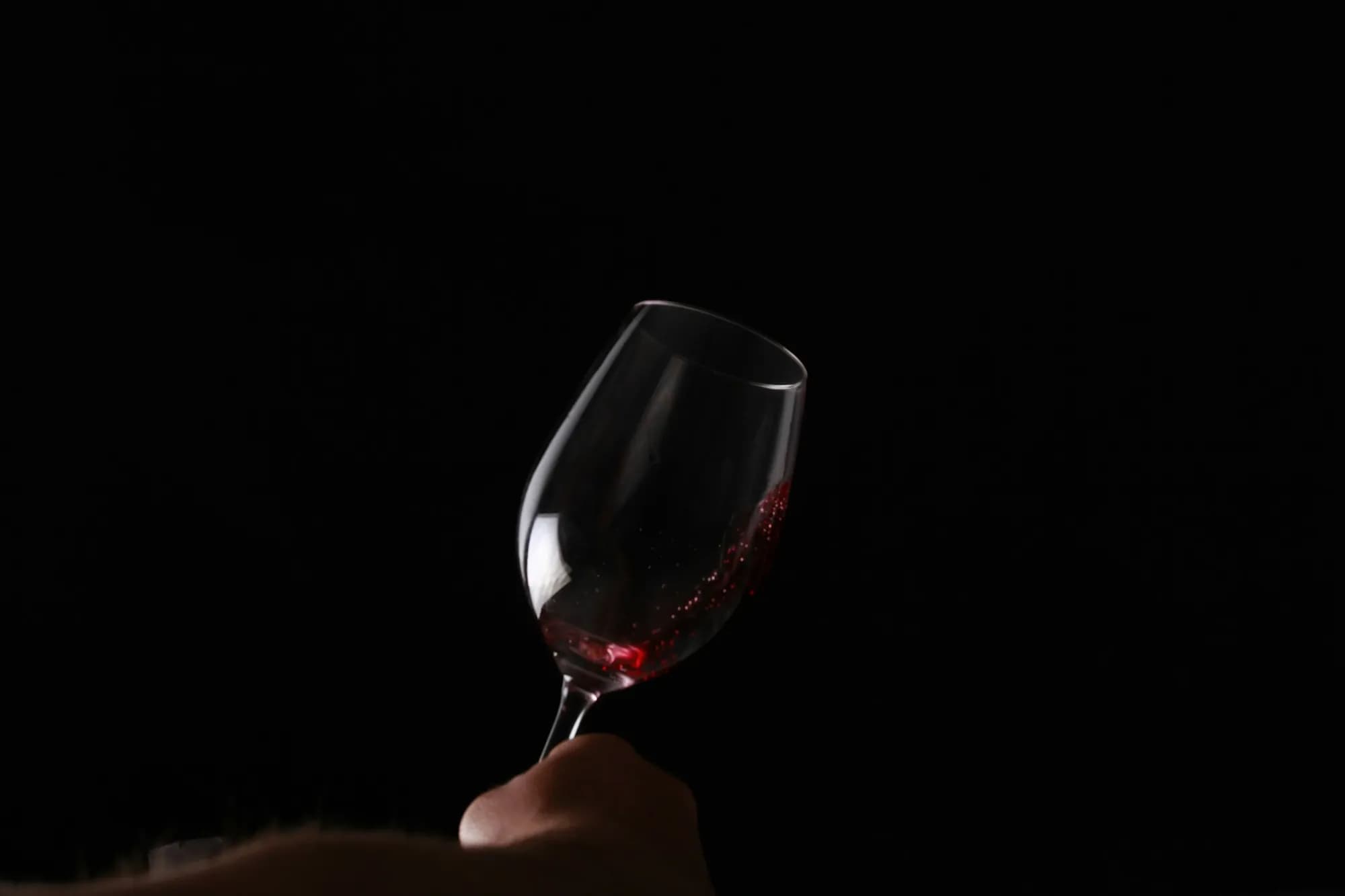
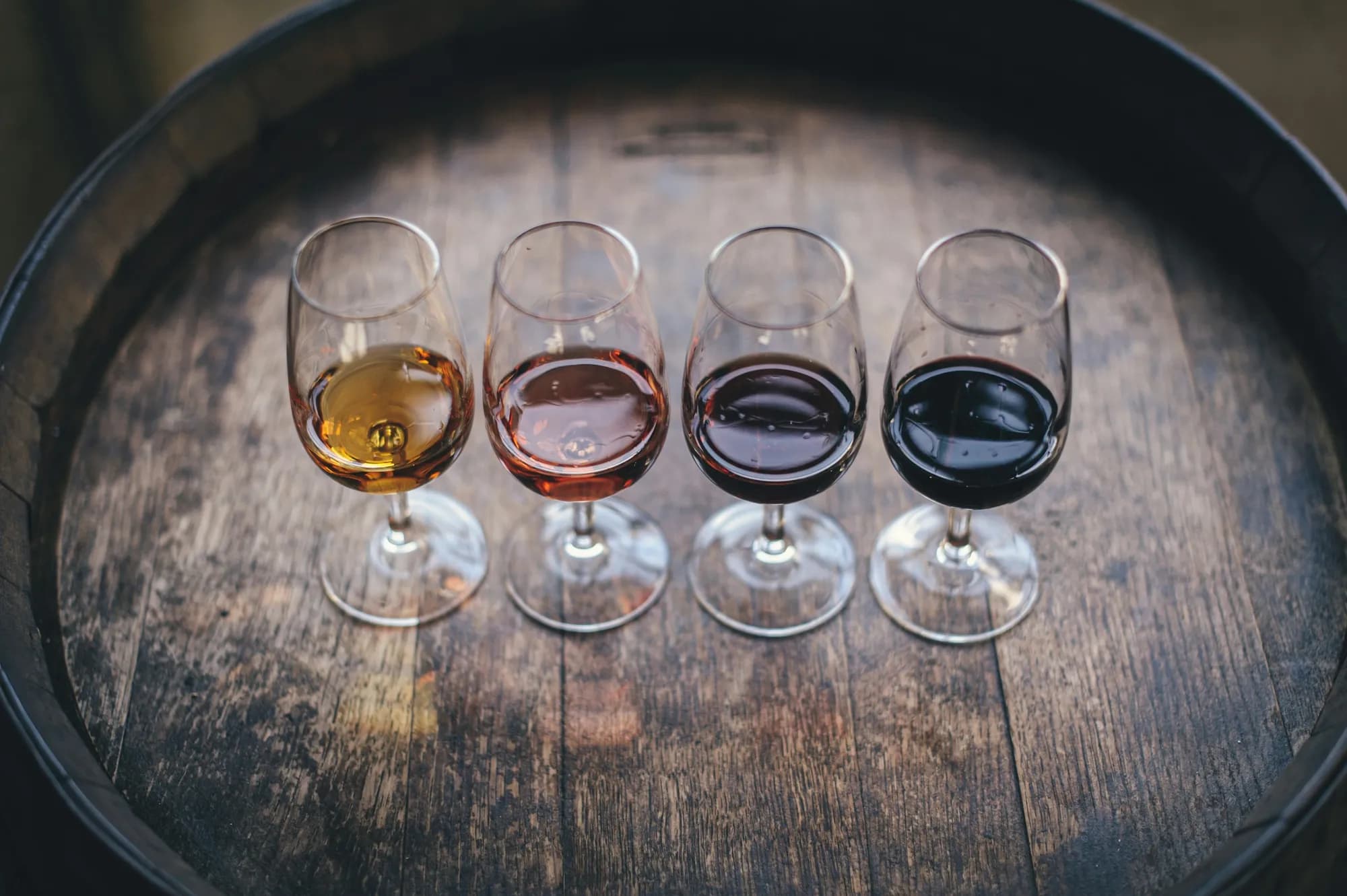
Tilt the glass over a white napkin or against the light. Colour tells you a lot: white wines range from pale greenish straw to gold, reds from purple ruby to brick. White wine darkens with age, while red wine fades and turns brownish at the rim. That is why a young Grüner Veltliner looks pale with green glints, while a mature Bordeaux shows a brick-coloured rim.
After swirling, watch the wine run down the inside of the glass. These so-called tears or legs depend mainly on alcohol and sugar; they say nothing about quality.
2. Swirl
Hold the glass by the stem. Your hand will not warm the wine, and there will be no fingerprints on the bowl to hide the colour. Swirl the glass for a few seconds, most safely with its base resting on the table. The wine takes in air and releases more aromas.
3. Smell
Aroma is the most important part of tasting: most of what we call flavour is actually perceived through the nose. Take a few short sniffs rather than one long breath. It helps to move from the general to the specific. Is the aroma fruity, floral or spicy? And if fruity, is it closer to citrus, apples, stone fruit or tropical fruit?
Professionals distinguish three layers of aroma:
- primary aromas come from the grape: fruit, flowers, herbs,
- secondary aromas come from fermentation: bread, butter, yoghurt,
- tertiary aromas develop with ageing in barrel and bottle: vanilla, nuts, leather, forest floor.
4. Taste
Take a small sip and let it move around your whole mouth. Notice four basic qualities:
- sweetness: is the wine dry, or can you taste sugar?
- acidity: does your mouth water? Acidity gives wine freshness and tension.
- tannin (mostly in reds): does your mouth feel dry, like after strong black tea? Tannins come from grape skins, seeds and oak.
- body: does the wine feel light like skimmed milk, or rich like cream? Body depends mainly on alcohol and extract.
Finally, ask whether the wine is in balance. In a good wine nothing sticks out: higher acidity is balanced by fruit or a touch of sugar, firm tannins by a full body.
5. Wait for the finish
After you swallow, wait a moment. How long does the flavour last, and is it still pleasant? A long, clean finish, which tasters call length, is one of the most reliable signs of a quality wine.
When a wine is faulty
The most common fault, and one you can spot without any experience, is cork taint. The wine smells musty, like wet cardboard or a damp cellar, and the fruit is almost gone. Staff will replace such a bottle. Small crystals on the cork or at the bottom of the bottle, on the other hand, are harmless tartrates, not a fault.
Try it at TURET
The quickest way to learn is by comparing. We pour 0.1 l glasses, so you can order two wines side by side. We suggest Riesling (Ryzlink rýnský) and Welschriesling (Ryzlink vlašský) from the same winemaker and the same vintage. Despite the similar names they are two different, unrelated grapes, and because the producer and vintage are the same, the difference you taste comes mainly from the grape. Take both through all five steps and notice how they differ.
Would you like to taste with a sommelier? Join one of our tastings:
The next tasting will be announced soon.
In the next lesson we will look at how to read a Moravian wine label.